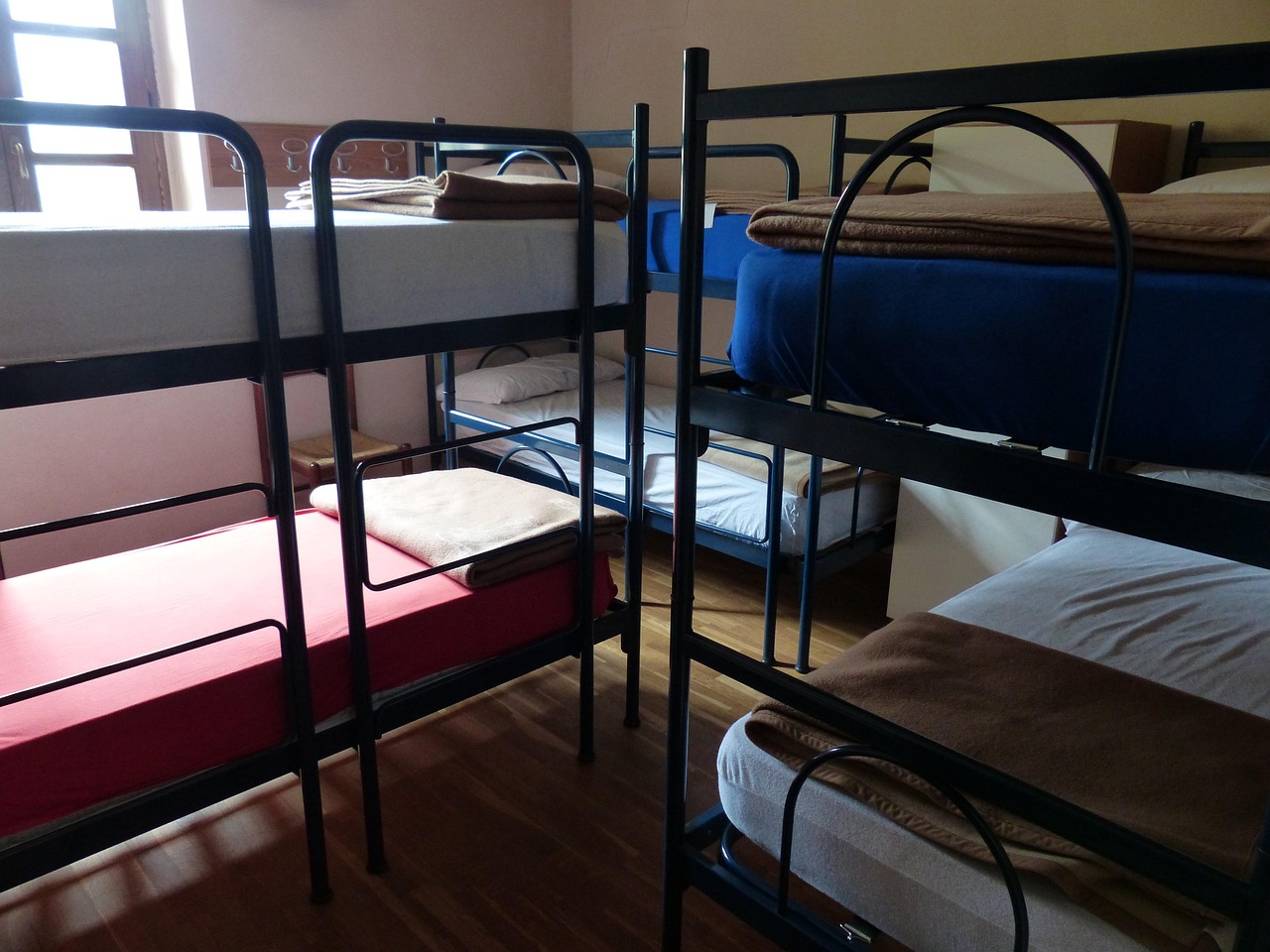
Probation hostels in England and Wales, where the most dangerous offenders live after leaving prison, have been forced to shut due to a staffing crisis.
According to the Ministry of Justice, nine out of 105 approved premises are currently closed.
The closures come after a leaked memo revealed that staffing challenges have led to temporary closures of the heavily-supervised approved premises.
Untrained security guards are sometimes having to fill in for probation staff, officials have confirmed.
Martin Jones, the HM inspector of probation, said the public was being put in danger by closures of approved premises and failing to ensure they had properly trained staff.
Approved premises are the place where the highest risk individuals go after release and it is vital that as many places are there for them and they have to get the right staff in place, he said.
If security guards do their jobs, there is a big risk of things going wrong and the public being put in danger.
Approved premises supervise about 2,000 criminals across England and Wales considered too dangerous to release back into the community.
Related: Inside the US‑UK Military Justice Clash: How a British Rape Case Became a Court‑Martial (2026 Guide)
Residents often have drug and alcohol problems and complex mental health needs.
They live in the hostels for about eight to 12 weeks, and can be recalled to prison if they refuse to submit to drug and alcohol tests or have their rooms searched.
Staff are required to monitor residents with rapid enforcement action needed to stop violent incidents, self-harm and overdoses.
Insiders said high stress levels coupled with the expiry of contracts with private companies Sodexo and OCS, which provided overnight staff cover at the hostels, had led to a staffing crisis.
A probation manager said: They’ve known this was coming for 18 months, they’ve not been supported to put staffing in place.
The closures mean dangerous men don’t get beds, somewhere someone will get hurt because they didn’t get a hostel bed.
Senior civil servants have been made aware of staffing problems at approved premises.
In an email sent to staff in May, Michelle Jarman-Howe, the interim director general of operations at His Majesty’s Prison and Probation service wrote: I want to acknowledge the recent staffing challenges which, at times, have led to the temporary closure of some approved premises.
The probation officers’ union Napo sent a questionnaire to 21 staff working in hostels last month.
Related: UK climate activists fear delays lose jury trial
They found that 16 had witnessed security guards covering work usually conducted by probation staff.
Napo’s general secretary, Ian Lawrence, said: We are seeing further closures due to an estate not fit for purpose, lengthy delays in vetting new staff and a badly managed process to bring private provider staff in house.
Their approved premises estate needs significant investment if it is to provide the very much needed accommodation for high risk of harm people coming out of prison.
A MoJ spokesperson confirmed that the probation service continues to use security guards at the last minute to fill staffing gaps.
They said: While a handful of premises are temporarily closed, they have increased the total number of beds available in approved premises so they can accommodate more of the highest risk offenders and keep the public safe.
Approved premises is just one way in which they manage offenders in the community.
The situation continues to unfold, and it is likely that the government will face increasing pressure to address the staffing crisis and ensure that approved premises are adequately staffed to keep the public safe.
The use of security guards to fill gaps in staffing numbers is a temporary solution, but it may not be enough to mitigate the risks associated with housing high-risk offenders in these facilities.




Leave a Reply