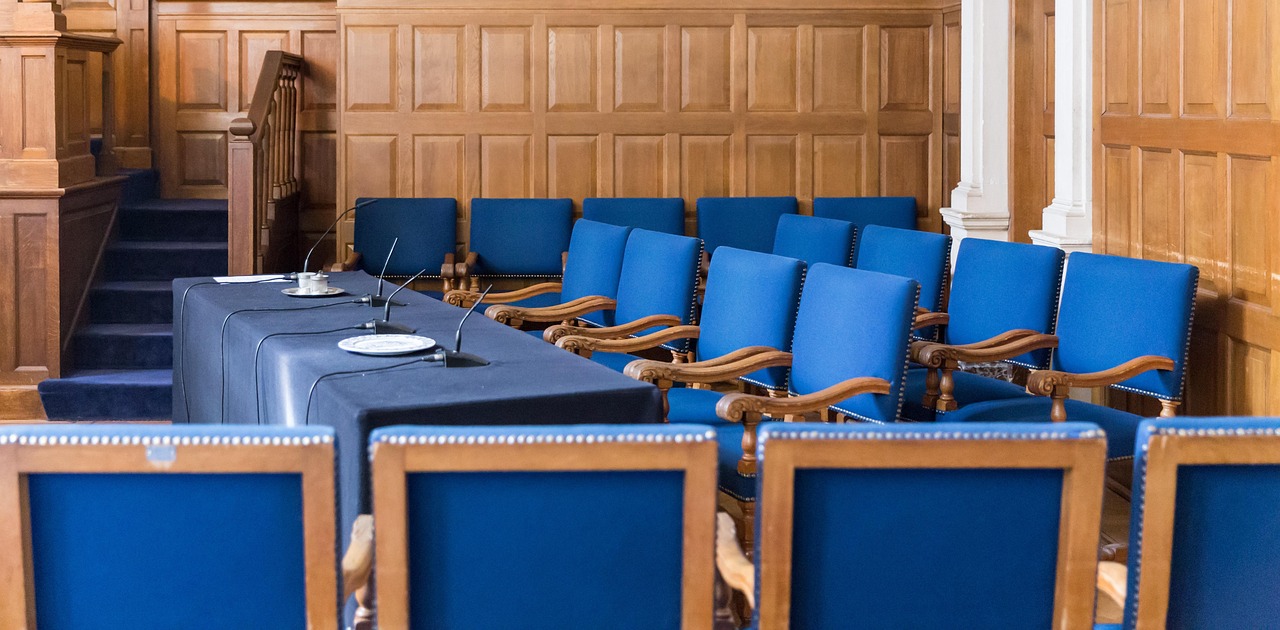
UK climate activists warn that repeated postponements could strip them of the right to a jury trial, a safeguard they say often leads to acquittals.
Delays threaten a core procedural right
Defendants charged with protests dating back to 2021 have seen hearings pushed back multiple times. By the time cases finally reach a courtroom, the government’s proposed reforms could already be in force, limiting the ability of defendants to choose a trial before their peers.
The reforms target “either‑way” offences, allowing prosecutors to direct cases to magistrates courts unless a sentence of more than three years is likely. Critics argue the change would apply retrospectively, affecting cases already on the docket.
Related: Unions warn Farage’s equal pay plan costs women
Activists cite past jury outcomes
Among those concerned are dozens charged under the Public Order Act for “interference with key national infrastructure” during Just Stop Oil’s slow‑march protests in 2023.
Adem Ay, 45, of Hackney Wick, is facing a trial in July. He told reporters that speaking to jurors could be his only hope because restrictions limit discussion of motivations and climate change. Several juries have previously found protesters innocent despite a lack of legal defences.
Other high‑profile cases at risk
Another appellant, Amy Pritchard, 41, of London, faces two trials next year for public nuisance linked to Insulate Britain protests in 2021. She said the ongoing uncertainty erodes faith in the justice system.
Related: Bill aims to block lawsuits silencing journalists
Government and protest groups respond
A spokesperson for Just Stop Oil said the reforms will mean that supporters with outstanding trials lose the chance to explain their actions in front of a jury. This could lead to more guilty verdicts and longer sentences for people who acted to limit climate catastrophe.
A Ministry of Justice representative countered that most low‑level protest offences are already heard in magistrates courts. The department emphasized that the changes aim to streamline case processing and reduce backlogs.
Timeline and potential impact
The legislation is slated to take effect in 2028, but its retrospective application could catch cases already delayed. Activists fear that further postponements might push hearings beyond the cutoff, leaving defendants to face magistrates without a jury.
Related: What we learned from cringey Musk-Altman courtroom drama
Legal analysts note that magistrates courts handle many minor offences, but they lack the discretionary power of juries to weigh broader societal issues. The shift could subtly tilt outcomes toward conviction, especially in politically charged cases.
For now, the defendants remain in limbo, watching both the legal timetable and political climate for signs of change.
They await a decision.



Leave a Reply