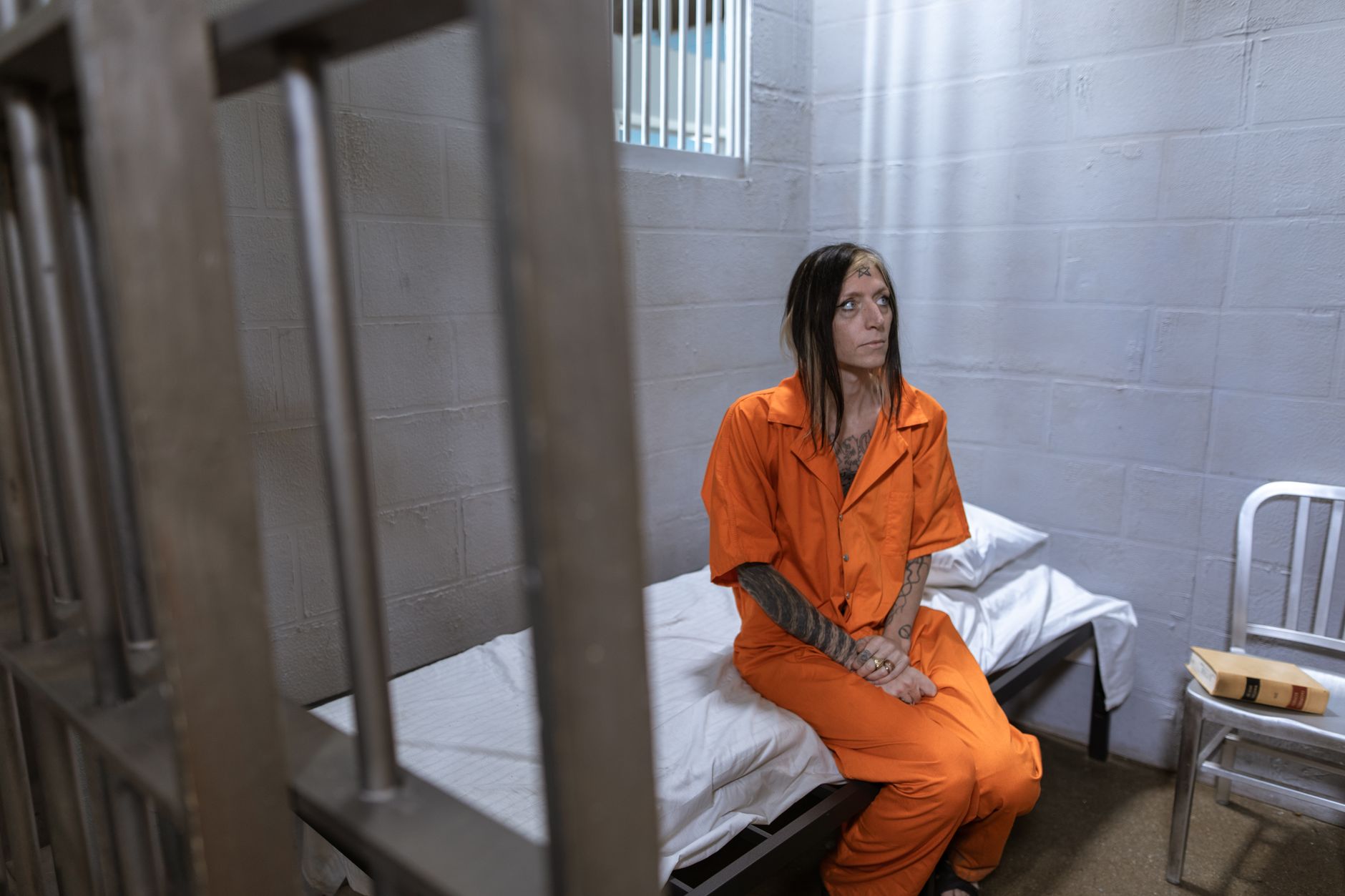
Individuals found guilty of performing “conversion therapy” on LGBTQ+ people in England and Wales could face up to five years in prison, according to a newly published draft bill. The government’s proposal aims to ban abusive practices intended to change someone’s sexual orientation or gender identity.
Those convicted under the proposed legislation might also receive an unlimited fine. Campaigners have described this development as a significant and long overdue step toward equality for LGBTQ+ individuals.
Simon Blake, the CEO of Stonewall, emphasized that “LGBTQ+ people are not broken or in need of ‘fixing.’” He added that the draft bill is vital for creating a safer and more inclusive future, especially at a time of increased hostility toward this community.
The journey to this legislation has spanned eight years. Former Prime Minister Theresa May first pledged to introduce a ban on these practices, but progress has been hampered by political disagreements and policy reversals.
Related: Nationalist leaders agree to halt St George flags in Oxfordshire
Under Boris Johnson’s government, plans to ban these practices were nearly scrapped entirely. His administration later announced it would proceed with a ban covering only sexual orientation, excluding gender identity. This decision led to considerable public outcry and the cancellation of an international LGBT conference.
Opponents of the proposed law express concerns that it could infringe upon free speech and prayer. They also worry it might prevent parents from openly discussing these sensitive issues with their children.
Despite previous delays under successive prime ministers, the Labour party committed in its manifesto to advancing such a ban. The party stated that the criminal threshold under the new law would be defined as “conduct that aims to change someone’s sexual orientation or transgender identity through abusive acts that seriously harm the victim.”
The legislation would also include safeguards designed to protect “legitimate healthcare and therapy” alongside “open conversations and free speech.” This aims to ensure medical professionals can provide necessary care without fear of prosecution.
Related: Rape sentences for teenagers to be reviewed
Dr. Hilary Cass, who authored a review into gender identity services for children, noted the importance of healthcare professionals feeling confident in their ability to offer holistic care to young people without fear of litigation. She indicated that ministers have considered this concern while also prioritizing the protection of vulnerable individuals.
Beyond criminal penalties, the bill would establish a new civil protection order for conversion practices. This measure is intended to provide preemptive support to potential victims at risk of abuse, mirroring existing protection orders for forced marriage and female genital mutilation cases.
The personal experiences of those affected highlight the need for such legal protections. Matthew Hyndman, a contestant on The Traitors, shared his experience of being told to “publicly repent” for being gay or leave his evangelical Christian community in Northern Ireland.
He described how his vocation and community were deeply intertwined with his faith, making the decision to leave a rejection of his entire community’s beliefs. Hyndman considers himself fortunate to have been able to walk away.
Related: Terminally ill demand right to die choice
For individuals currently experiencing or who have undergone such practices, a ban “sends a really clear signal,” Hyndman said. “They’re hearing from the highest point that this is wrong and that it should not be happening to you. You’re not broken, you don’t need to be cured.”
Galop, an anti-LGBT abuse charity, identified 371 cases involving these practices between 2022 and 2025. The charity frequently observes the severe harm caused by such actions.
Jasmine O’Connor, co-CEO at Galop, stressed the urgent need for a ban, citing the devastating impacts her organization witnesses. The government acknowledges that existing laws covering domestic violence, coercive control, and communications offenses do not adequately address the specific nature of abusive conversion practices.
Olivia Bailey, the minister for equalities, stated that “Legal loopholes have left LGBT+ people vulnerable to these harmful acts which is why we must legislate.” The new bill aims to close these gaps and provide robust protections.




Leave a Reply