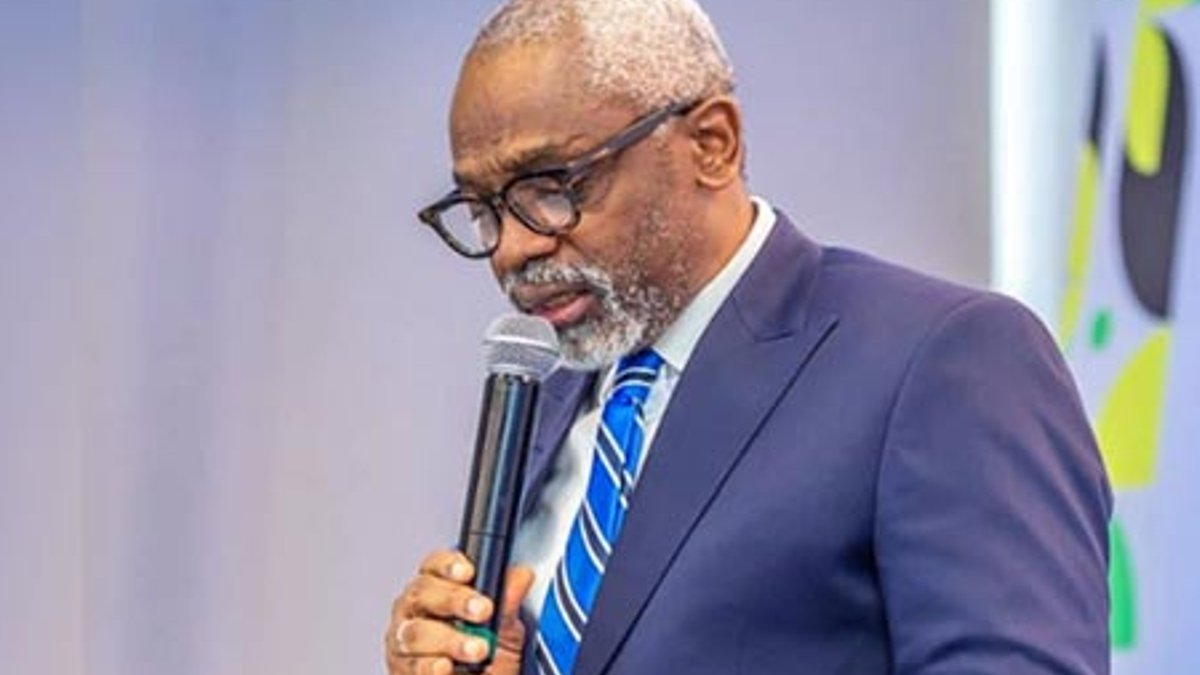
President Bola Tinubu’s Chief of Staff, Femi Gbajabiamila, has openly recognized that the economic adjustments implemented since his administration began in 2023 have significantly strained Nigerian families. Speaking at Abuja’s launch of the president’s re-election strategy, the former House Speaker justified the government’s financial measures while stressing the need to convert these policies into tangible improvements for citizens.
The Cost of Economic Adjustments
Gbajabiamila acknowledged that President Tinubu assumed office amid severe economic challenges, including the unsustainable fuel subsidy costs and a dysfunctional foreign exchange regime. While admitting the reforms have imposed hardships on ordinary citizens, he insisted they were essential to resolving deep-rooted economic flaws and ensuring long-term stability.
Despite the evident struggles these policies have caused, the Chief of Staff urged the government to validate the experiences of ordinary Nigerians rather than overlook their difficulties. He framed the administration’s re-election platform as a mutual pledge between leaders and the people they serve, designed to ensure equitable access to national prosperity.
No one should pretend daily life has become effortless. Our priority must be easing these challenges for millions of families and young people nationwide.”
The former Speaker highlighted that Nigerians were already making substantial personal sacrifices to support their families and create opportunities for future generations. He argued that government initiatives should guarantee that diligent work translates into meaningful financial rewards and a sustainable standard of living. Gbajabiamila emphasized that the administration’s objectives should manifest in families’ ability to cover essential needs, plan for the future, and access opportunities free from political favoritism or undue influence.
He insisted that essential public services must be universally accessible, regardless of political affiliation. The Chief of Staff contrasted short-term election-focused governance with leadership oriented toward securing the nation’s future. According to Gbajabiamila, President Tinubu demonstrated responsible leadership by confronting urgent economic issues instead of delaying necessary reforms.
Basic services, including healthcare, should operate impartially, he stated.
Governance and Public Responsibility
Gbajabiamila drew a sharp contrast between political leadership focused solely on electoral success and governance prioritizing long-term national development. In his view, President Tinubu chose to govern as a visionary leader rather than a short-term politician.
The Chief of Staff argued that postponing economic reforms would have weakened the government’s ability to invest in development. He maintained that while the president’s actions were necessary, the administration now bears the responsibility of ensuring reforms deliver measurable improvements in people’s lives.
Gbajabiamila reiterated that the government’s success would be measured by families’ ability to meet basic needs, save for the future, and pursue opportunities independently. He affirmed the administration’s commitment to accountability, with the re-election manifesto serving as a legally binding agreement between leaders and citizens.
The manifesto, he said, represents a formal contract between the government and the Nigerian people.



Leave a Reply